

Introduction to Social Media Marketing in 2025
As we progress into 2025, social media marketing continues to evolve at a rapid pace, presenting both challenges and opportunities for businesses. With the increasing proliferation of social media platforms, companies must navigate a complex landscape where user behavior is continually changing. Emerging trends dictate that businesses stay informed and agile, adjusting their marketing strategies to engage a diverse audience effectively.
The realm of social media is primarily shaped by advancements in technology, data analytics, and the rising influence of artificial intelligence. Consumers expect personalized content, delivered promptly across their preferred social media channels. The year 2025 brings forth an environment where platforms emphasize authenticity, which can significantly influence brand perception and customer loyalty. Businesses are compelled to cultivate genuine interactions and foster community engagement as they adapt to these shifts.
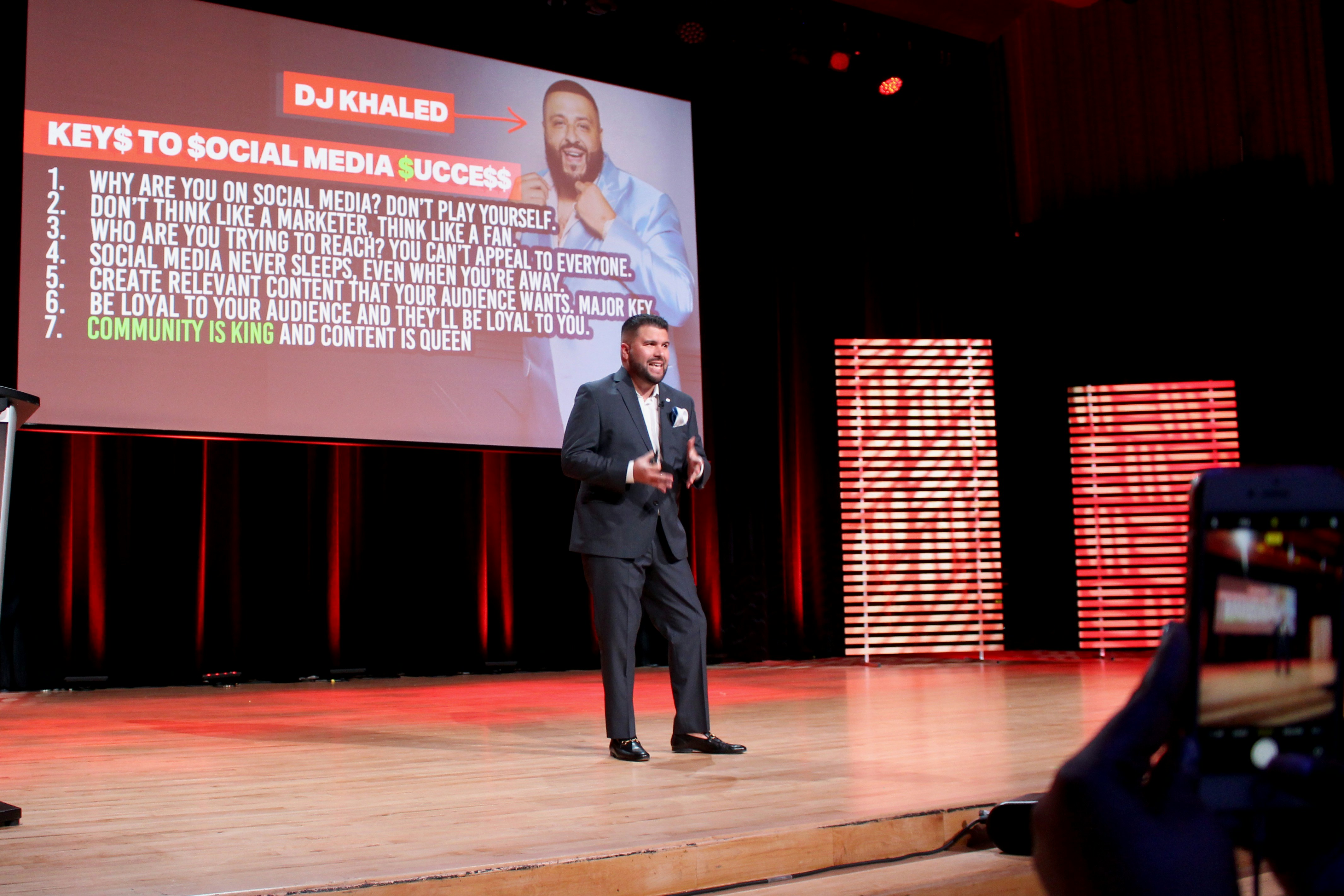
Moreover, incorporating video content, augmented reality, and immersive experiences has become a critical component of successful social media marketing strategies. Companies that harness these tools stand to gain a competitive edge, as they connect with their target audience on a deeper level. It is also crucial to recognize the growing importance of sustainability and corporate social responsibility in the messaging strategies of brands. Consumers increasingly favor companies that align with their values, compelling marketers to embed these principles in their campaigns.
In light of these developments, effective social media marketing in 2025 requires a keen understanding of current trends and user behaviors. Brands need to be proactive in evaluating their existing strategies and making necessary adjustments to thrive in this dynamic ecosystem. This blog post will explore actionable strategies that will equip marketers to navigate the continuously shifting social media landscape with competence and confidence.
Understanding the Latest Social Media Trends
As we approach 2025, social media marketing continues to evolve, driven by emerging technologies and changing consumer behaviors. One of the most significant trends is the rise of short-form video content, which has gained immense popularity across platforms like TikTok, Instagram, and YouTube. This format not only captures attention quickly but also encourages higher engagement rates. Marketers are increasingly recognizing the power of short videos to convey messages succinctly, create shareable content, and engage younger demographics. Integrating this format into social media marketing strategies is essential for maintaining relevance in the increasingly crowded digital landscape.
Another noteworthy trend is the growing adoption of augmented reality (AR) experiences. Brands are leveraging AR to create interactive, immersive experiences that allow users to engage with products in innovative ways. From virtual try-ons in the fashion industry to interactive product demonstrations, AR enhances user experience by blurring the lines between the physical and digital worlds. Implementing AR features not only captivates consumers but also helps brands stand out in an era where attention spans are dwindling.
Moreover, the impact of generative AI cannot be overlooked. This technology facilitates the creation of personalized content, optimizing user engagement based on individual preferences and behaviors. Marketers can utilize generative AI to automate content generation, develop targeted advertising campaigns, and even conduct sentiment analysis on social media interactions. By harnessing this technology, brands can enhance their marketing efforts, improve customer relations, and ultimately drive conversions.
As social media trends in 2025 unfold, marketers must stay attuned to these developments. Adopting short-form video content, exploring augmented reality, and utilizing generative AI can significantly enhance both engagement and visibility, allowing brands to effectively connect with their target audiences.
Utilizing Data Analytics for Targeted Marketing
As social media continues to evolve into a powerful platform for brands, the importance of data analytics in crafting effective strategies cannot be overstated. As we move into 2025, leveraging data analytics will be crucial for businesses looking to refine their marketing efforts and connect more meaningfully with their audiences. Data analytics provides invaluable insights into user behavior, preferences, and engagement patterns, which enables marketers to tailor their strategies for maximum impact.
To effectively harness the potential of data analytics, marketers should familiarize themselves with various analytical tools available today. Platforms such as Google Analytics, Facebook Insights, and Instagram Analytics provide extensive metrics that shed light on audience interactions. Key performance indicators (KPIs), such as engagement rates, click-through rates, and conversion metrics, should be regularly monitored to assess the effectiveness of social media campaigns. By understanding these data points, businesses can identify trends, spot opportunities, and make informed decisions regarding their marketing strategies.
Gathering and interpreting audience data is a multi-step process. Initially, it involves collecting data from various sources, which may include social media interactions, website traffic, and third-party analytics tools. Once gathered, this data needs to be analyzed to uncover insights into consumer behavior and preferences. For instance, understanding the demographics of a brand’s followers can help refine targeting strategies, leading to more personalized content delivery and higher engagement rates.
The benefits of data-driven decision-making for targeted campaigns are significant. It enables marketers to allocate resources more effectively, craft personalized marketing messages, and enhance user experience. By focusing on the right audience segments, brands can achieve higher return on investment (ROI) and improve overall campaign performance. As data analytics continues to advance, its role in social media marketing will become increasingly vital, shaping strategies that resonate with consumers and drive engagement in 2025 and beyond.
Engagement Strategies: Building a Community
In the evolving landscape of social media marketing, fostering genuine community engagement is crucial for brands seeking to establish a loyal follower base. Authentic interaction forms the backbone of a thriving digital community. Brands must prioritize transparent communication by responding to comments, addressing concerns, and engaging in meaningful conversations with their audience. This commitment to interaction not only humanizes the brand but also encourages followers to feel valued, reinforcing their connection with the community.
User-generated content (UGC) plays a vital role in building this sense of community. By encouraging followers to share their own experiences and creations related to the brand, companies can showcase the authentic voices of their audience. UGC serves as a powerful endorsement and allows brands to resonate on a personal level with their community. Implementing campaigns that invite customers to submit photos, videos, or stories can significantly enhance engagement and drive participation. This collective sharing fosters a vibrant community spirit and contributes to a positive brand image.
Moreover, brand storytelling is another essential tactic for creating a cohesive community atmosphere on social media. By weaving narratives that reflect the brand’s mission, values, and vision, companies can foster a deeper emotional connection with their followers. This storytelling approach transforms customers from passive observers to active participants who feel invested in the brand’s journey. Collaborating with influencers or community leaders can further amplify these stories, as they often bring their audience to the conversation, enhancing awareness and facilitating stronger community bonds.
To maintain a loyal follower base, brands must also implement consistent engagement tactics, such as regular updates, interactive polls, and live broadcasts. These activities keep the audience engaged and encourage continuous participation. By committing to these engagement strategies, brands can effectively cultivate a dedicated community that not only supports the brand but also advocates for it as well.
Influencer Marketing: Finding the Right Partnerships
In 2025, influencer marketing continues to evolve as a dynamic strategy for engaging target audiences. As brands aim to foster authentic connections, identifying suitable influencers becomes essential. The first step in this process is establishing clear objectives for the campaign. Brands should consider factors such as the desired audience reach, engagement levels, and alignment with brand values when selecting influencers. Conducting thorough research to understand an influencer’s niche, content style, and audience demographics is crucial for ensuring a successful partnership.
The benefits of collaborating with micro and nano influencers are increasingly recognized in the contemporary marketing landscape. Unlike macro influencers, who often have large followings but can be less relatable, micro and nano influencers tend to have more engaged audiences. These influencers often cultivate niche communities and can provide brands with a higher return on investment (ROI). Their smaller follower base may result in improved engagement rates and a stronger sense of trust among their audience, leading to more effective promotional efforts.
To implement successful influencer campaigns, brands should focus on fostering collaborative relationships. Initiating open communication and allowing influencers creative freedom can result in more authentic content that resonates with their audiences. Furthermore, leveraging user-generated content and encouraging influencers to share their genuine experiences with products can amplify the campaign’s message, ensuring it aligns with the expectations of their followers.
Ultimately, effective influencer marketing in 2025 hinges on selecting the right partnerships and nurturing these relationships. By recognizing the value of micro and nano influencers and prioritizing authenticity in collaborations, brands can create influencer campaigns that effectively engage their target audiences, drive brand awareness, and enhance customer loyalty.
Paid Advertising Strategies: Maximizing ROI
As social media evolves, employing effective paid advertising strategies becomes crucial for brands aiming to maximize their return on investment (ROI). In 2025, leveraging advanced techniques in budget allocation, ad targeting, content creation, and performance measurement will significantly enhance ad effectiveness. To start with, a well-structured budget is essential for any paid advertising campaign. Consider allocating a portion of your total marketing budget to social media ads, while also ensuring flexibility to optimize ad spend as needed based on real-time performance data.
Targeting the right audience is another fundamental aspect of a successful paid advertising strategy. In 2025, social media platforms continue to refine their targeting capabilities, allowing marketers to focus on demographics, interests, and even behavioral trends. Utilizing data analytics tools to identify the most relevant audience segments enhances the effectiveness of your ads. Creating buyer personas can also streamline this process, ensuring that ads resonate with potential customers and foster engagement.
The creative aspect of ad content should not be overlooked. In a crowded social media landscape, eye-catching visuals and compelling copy can significantly impact user engagement. Marketers should prioritize the development of high-quality, relevant content tailored to the target audience’s preferences. This could involve video ads, interactive content, or dynamic carousel ads that capture attention and encourage action. Furthermore, experimenting with different ad formats can lead to valuable insights into which styles resonate most with your audience.
Finally, measuring the success of your advertising efforts is vital. Employing key performance indicators (KPIs) such as conversion rates, click-through rates, and customer acquisition costs can provide insights into what is working and what is not. Regularly analyzing this data allows brands to iterate on their strategies and enhance future campaigns, thus maximizing ROI in a continually changing social media environment.
Adopting Multi-Platform Strategies
In the ever-evolving landscape of social media marketing, adopting a multi-platform strategy is crucial for effectively engaging with audiences in 2025. As various social media platforms continue to grow and diversify, brands must recognize the importance of tailoring their content to fit the unique characteristics and demographics of each platform. This approach not only enhances brand visibility but also ensures that messaging resonates with a broader audience.
To create a cohesive brand presence across multiple social media platforms, it is essential to maintain consistency in branding elements, such as logos, color schemes, and tone of voice. However, developing diverse content tailored to each platform is equally important. For instance, Instagram thrives on visual storytelling, which can be supplemented with high-quality images and short videos, while Twitter requires concise, impactful messaging often using trending hashtags. By leveraging the strengths of each platform, brands can harness the potential of multi-channel marketing.
Moreover, varying audience preferences across different platforms should inform the content strategy. For example, younger demographics may gravitate towards platforms like TikTok and Snapchat, preferring entertaining and interactive content, while older users might use Facebook for community building or informative posts. Understanding these distinctions allows brands to adapt their messaging and engage effectively with each user group.
Additionally, analytics tools can provide insights into audience behavior and response rates across platforms. Utilizing this data helps marketers refine their strategies, ensuring more impactful campaigns. As brands create tailored content for each social media outlet, they can also engage in cross-promotion, encouraging followers on one platform to explore their presence on another, thus amplifying their overall reach. This multi-faceted approach to social media marketing positions businesses to thrive in the dynamic digital environment of 2025.
Emerging Technologies: Harnessing AR and VR
The marketing landscape is undergoing a significant transformation with the rise of augmented reality (AR) and virtual reality (VR) technologies. These innovative tools are not just enhancing user experiences; they are reshaping the strategies brands employ on social media platforms. For 2025, harnessing AR and VR can dramatically influence customer engagement and brand loyalty, delivering immersive experiences that captivate audiences.
One practical application of AR in social media marketing is the integration of AR filters and effects. Numerous brands have successfully utilized AR filters on platforms like Instagram and Snapchat to create interactive campaigns. These filters allow users to visualize products in their environment, such as trying on virtual sunglasses or makeup, which fosters a connection between the customer and the product. This personalized experience not only facilitates informed purchasing decisions but also encourages social sharing, amplifying the campaign’s reach considerably.
On the other hand, VR can transform social media marketing by creating immersive storytelling experiences. Brands can develop virtual showrooms or events that allow users to explore products in a simulated environment. For instance, a fashion retailer might host a VR fashion show, granting viewers front-row access. Such initiatives not only engage consumers but also provide them with an innovative way to experience the brand’s offerings without being physically present.
Case studies further illustrate the effectiveness of these technologies. For example, an automotive company successfully launched an AR app that allowed customers to visualize 3D models of cars in their driveways. Not only did this approach enhance consumer interaction, but it also led to a notable increase in sales inquiries. Similarly, a cosmetics brand leveraged VR to unveil new product lines at an exclusive virtual event, resulting in heightened buzz and increased social media traction.
As we look toward 2025, it is evident that the integration of AR and VR in social media marketing is set to become essential for brands aiming to stand out in a crowded digital space. By embracing these technologies, marketers can create innovative campaigns that engage audiences in meaningful ways, paving the path for future success.
Measuring Success: Metrics and KPIs
In the realm of social media marketing, understanding how to measure success is paramount. The effectiveness of various strategies can be quantifiably assessed through the utilization of key performance indicators (KPIs). A well-defined set of KPIs allows marketers to track performance, analyze results, and adjust strategies accordingly. Common KPIs in social media marketing include engagement rates, reach, impressions, conversion rates, and follower growth. Each of these metrics offers valuable insights into how audiences interact with content and campaigns, which is crucial for strategic refinement.
Engagement rates, for instance, reflect how actively users interact with posts through likes, shares, and comments. High engagement typically indicates that the content resonates with the target audience, while conversely, low figures may signal a need for adjustment in messaging or content format. Reach and impressions gauge the overall visibility of posts. Reach refers to the number of unique users who encounter content, while impressions count the total instances of post visibility. Together, these metrics help ascertain the breadth of impact achieved through campaigns.
Tools for measurement and reporting are increasingly sophisticated. Platforms such as Google Analytics, Hootsuite, and Sprout Social offer comprehensive dashboards that facilitate tracking and analysis of performance across various social media platforms. Marketers can gain insights not just into raw numbers but also into audience demographics and behaviors. Utilizing these tools enables data-driven decision-making, ensuring that marketing efforts can be continuously improved.
By employing a systematic approach to tracking metrics and analyzing KPIs, businesses can cultivate a culture of continuous improvement within their social media strategies. Identifying patterns and understanding user engagement levels aid in refining campaign objectives and enhancing overall marketing efficacy. Ultimately, the iterative process of measurement, analysis, and refinement contributes to optimized outcomes in social media marketing efforts.