
Introduction to Social Media Calendars
A social media calendar is an essential tool for managing and organizing content across various social media platforms. It serves as a structured plan that outlines the schedule for posts, campaigns, and other engagements over a specified period. This calendar can significantly enhance the efficiency with which social media strategies are implemented. By providing a clear overview of what content is to be shared, when, and where, it allows marketing teams to maintain a consistent online presence, which is vital for audience engagement and brand recognition.
The importance of a social media calendar lies in its ability to streamline content creation and posting processes. Without an organized calendar, teams may find themselves scrambling to generate content at the last moment, leading to rushed posts that may lack quality or relevance. When a calendar is in place, it facilitates collaboration among team members, enabling them to plan campaigns well in advance, and ensuring that all necessary resources and approvals are in order. This proactive approach can reduce stress, enhance creativity, and allow for more strategic content curation.
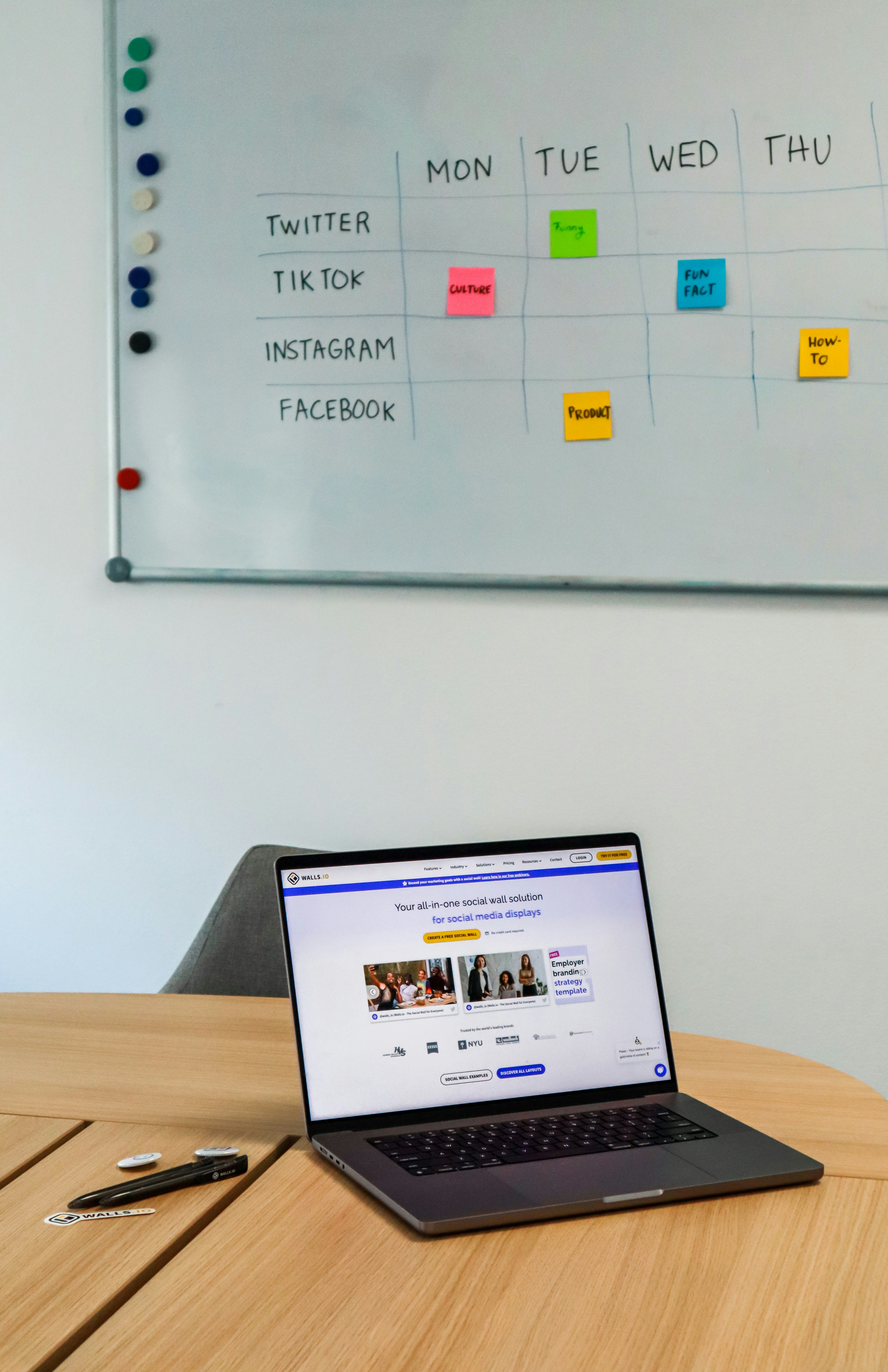
Moreover, a well-structured social media calendar allows businesses to align their posts with important dates, events, and trends relevant to their industry. This can enhance the relevance of social media content, as it enables teams to capitalize on timely topics that resonate with their audience. By doing so, brands not only engage their current followers but also attract new audiences through curated, timely content. Overall, a social media calendar is a fundamental aspect of effective social media management and is instrumental in driving engagement and growth across platforms.
Benefits of Using a Social Media Calendar
A social media calendar serves as a vital tool for businesses and individuals looking to streamline their online presence. One of the primary benefits of using such a calendar is the significant time savings it offers. By planning content ahead of time, users can avoid the last-minute scramble to create posts. This proactive approach allows for the efficient distribution of content, ensuring that social media accounts remain active and engaging without consuming excessive time each day.
Organization is another essential advantage of implementing a social media calendar. By separating content into different days, themes, or weeks, users can cultivate a diverse and balanced mix of posts. This enhanced organization makes it easier to manage various platforms, ensuring that content is timely and relevant to current events or marketing campaigns. Additionally, the clarity provided by a calendar can help content creators maintain a consistent branding message across all platforms, supporting a cohesive digital identity.
Collaboration among team members can also be significantly benefited from using a social media calendar. When multiple contributors are involved, having a centralized calendar allows everyone to understand their roles and deadlines. This collaboration fosters a productive environment where team members can share ideas, provide feedback, and contribute to a more dynamic content strategy. Ultimately, a well-maintained social media calendar enhances communication in teams working towards common goals.
Finally, tracking content performance and engagement becomes more manageable with a social media calendar. By scheduling posts and noting engagement metrics, users can analyze what types of content resonate with their audience. This data-driven approach supports continual improvement and strategic adjustments, ensuring that social media efforts align with broader marketing objectives. Each success, or lack thereof, can inform future planning, optimizing overall outcomes.
Identifying Your Audience and Goals
Understanding your target audience is a pivotal step in developing an effective social media calendar. A well-defined audience allows businesses to craft tailored content that resonates with potential customers. To begin this process, conducting thorough audience research is essential. Utilizing tools such as surveys, social media analytics, and customer feedback can provide valuable insights into demographic information, interests, behaviors, and preferences. This information helps in creating detailed audience personas that guide content strategies.
Additionally, it is beneficial to analyze your existing customer base. Look at the characteristics of your current customers and identify common traits, which can reveal patterns that may assist in targeting future audiences. Online platforms such as Google Analytics and social media insights offer data that can further refine your understanding. Furthermore, exploring competitors’ audiences can also shed light on potential gaps in your strategies and help you identify new opportunities.
Once your audience is clearly defined, the next step involves outlining specific goals for your social media campaigns. These goals should be measurable and align with your overall business objectives. Utilizing the SMART criteria—Specific, Measurable, Achievable, Relevant, and Time-bound—will ensure your objectives are realistic and concise. For example, you might set a goal to increase engagement by 20% over the next quarter or grow your follower count by 15% within six months. Such quantifiable objectives not only guide content creation but also facilitate the measurement of success over time.
In summary, identifying your target audience and establishing defined goals lays a solid foundation for a successful social media strategy. This alignment guarantees that content is relevant, engaging, and strategically designed to meet the needs of both the audience and the business.
Choosing the Right Tools for Your Social Media Calendar
In the digital age, selecting the right tools for managing your social media calendar can significantly enhance your efficiency and effectiveness. There are numerous options available, ranging from free to premium software, each with its unique features tailored to meet various needs.
For individuals or small businesses seeking cost-effective solutions, free tools like Trello and Google Calendar often serve as excellent starting points. Trello offers a visual way to organize social media posts through boards and cards, making it easy to track progress and deadlines. On the other hand, Google Calendar allows users to set reminders, schedule posts, and collaborate with team members in real time. However, while these options are user-friendly, they may lack some advanced features found in dedicated social media management platforms.
For those who require more comprehensive functionalities, paid tools such as Hootsuite, Buffer, and Sprout Social are worth considering. These platforms provide advanced scheduling options, analytics, and the ability to manage multiple accounts from a single interface. Hootsuite, for example, allows users to monitor engagement across various social channels, making it easier to adapt strategies based on performance metrics. However, the cost associated with these tools can be a barrier for some, necessitating a careful evaluation of budget versus requirements.
When selecting the right tool for your social media calendar, consider factors such as your team’s size, the complexity of your social media strategy, and your budget. Assessing features against your specific needs is vital; this ensures that the tool you choose aligns with your goals and enhances your ability to maintain an effective social media presence. Ultimately, the right tool can streamline your efforts, save time, and contribute to the success of your overall social media strategy.
Strategies for Content Creation and Planning
Creating and planning social media content requires a deliberate approach to ensure that your efforts yield maximum engagement and efficiency. One effective strategy is to implement brainstorming techniques that allow for a flow of ideas without judgment. Team workshops and individual idea-generation sessions can inspire creativity. To initiate these brainstorming sessions, consider setting specific themes or topics for each meeting, which can keep the focus aligned with your brand’s mission and audience interests.
Another method for generating content ideas is to utilize content themes. Establish a calendar that revolves around major holidays, seasons, or events relevant to your industry. This helps in crafting timely posts that resonate with your audience. For example, if your brand centers around fitness, you might create content themed around New Year resolutions in January, curiosity about summer body goals in June, or back-to-school routines in August. These recurring themes not only facilitate planning but also create anticipation among followers.
Understanding the different types of posts that are suitable for various platforms is critical to your social media strategy. Infographics, videos, and images can perform exceptionally well on visual platforms like Instagram or Pinterest, while succinct text posts or polls may thrive on Twitter and Facebook. Tailoring your content to the specific strengths of each platform increases the chance of successful engagement.
Lastly, repurposing existing content can significantly optimize your time while maintaining a fresh perspective. By transforming a blog post into a series of social media snippets or creating an infographic from key data points, you can maximize resources used on previous content. This ensures that you’re consistently providing value to your audience while also streamlining your content creation process. In summary, by utilizing brainstorming techniques, establishing content themes, knowing the best types of posts for each platform, and repurposing content, you can create a comprehensive strategy for effective social media planning.
Scheduling Posts Effectively
Effective scheduling is crucial for optimizing social media engagement. Understanding the best times to post on various platforms can significantly enhance interaction rates with your audience. Research indicates that engagement patterns vary among different social media channels. For instance, studies have shown that posts on Facebook receive higher interaction rates during weekdays, particularly between 1 PM and 4 PM, while Instagram users tend to be most active in the evenings, especially on Wednesdays and Thursdays. Twitter, on the other hand, shows spikes in engagement during the lunch hours, making these timeframes essential for effective outreach.
Utilizing a social media calendar allows you to plan your posts, aligning content with optimal posting times. Keeping an eye on insights and analytics tools can also guide you in refining your schedule based on your specific audience. By analyzing when your followers are most active, you can tailor your posting times to suit their online behaviors, thereby maximizing potential engagement and reach.
Moreover, automating your posts is a strategic move to save time and ensure a consistent online presence. Many scheduling tools, such as Hootsuite, Buffer, and Sprout Social, enable users to pre-schedule posts across multiple platforms. These tools allow you to create a robust content pipeline, maintain consistency, and alleviate the stress of last-minute posting. By setting up automation, you can allocate your time more efficiently, focusing on content creation and community interaction rather than constantly monitoring your social media accounts.
In essence, effective scheduling involves a combination of understanding platform-specific peak times and leveraging automation tools to streamline the posting process. By paying attention to these factors, you can enhance your social media strategy, ultimately leading to improved engagement with your audience.
Monitoring and Adjusting Your Calendar
To ensure the effectiveness of your social media calendar, it is crucial to continuously monitor the performance of your content and make necessary adjustments based on the data collected. Regularly evaluating key metrics allows content creators to understand what resonates with their audience and what does not. Some essential metrics to consider include engagement rates, reach, impressions, and conversion rates. Each of these indicators provides valuable insights into how your audience interacts with your posts, helping you to refine your future strategies.
Analytics tools play a significant role in this monitoring process. Platforms such as Google Analytics, Hootsuite, and Buffer offer comprehensive insights into your social media performance. These tools can track how often your content is shared, the demographics of your audience, and even the times of day when your posts receive the most interaction. Utilizing these analytics platforms enables you to gather data efficiently, which can inform adjustments to your social media calendar.
Interpreting the data is the next step in optimizing your content strategy. For instance, if a particular post garners significantly higher engagement than others, analyzing the factors that contributed to its success, such as the post format, timing, or subject matter, can help replicate that success in future posts. Conversely, if some content underperforms, it may be beneficial to either modify the approach or discontinue similar posts in the future.
Ultimately, the ability to adapt your social media calendar based on monitoring results fosters a more dynamic approach to your content strategy. This proactive method not only enhances audience engagement but also leads to the efficient use of time and resources in your overall social media management efforts.
Fostering Collaboration and Communication
In today’s fast-paced digital landscape, creating an efficient social media calendar goes beyond mere content scheduling; it serves as a vital tool for collaboration and communication among team members. By integrating collaborative strategies into your social media planning, you can enhance teamwork, streamline approval processes, and ultimately align your social media goals.
To begin with, involving team members in the content creation phase is essential. This can be achieved by organizing brainstorming sessions where team members contribute ideas and suggestions. These collaborative efforts not only foster creativity but also encourage a sense of ownership among the participants. By using your social media calendar as a shared platform, all stakeholders can access the content plans and provide input, ensuring diverse perspectives are taken into account.
Moreover, establishing clear roles and responsibilities within the team plays a crucial part in effective communication. Assigning specific tasks for content creation, approvals, and posting can prevent misunderstandings and delays. Each member should be informed of their contributions while being encouraged to communicate openly about any challenges they encounter. Utilizing a project management tool in conjunction with the calendar can facilitate this process, enabling real-time updates and feedback.
Regular check-in meetings should be scheduled to ensure that the team remains aligned on goals and timelines. These meetings provide an opportunity to review upcoming content, discuss performance metrics, and make necessary adjustments to the strategy. Creating a culture of feedback where team members can openly share their insights encourages continual improvement of the social media calendar.
By leveraging the social media calendar as a collaborative tool, teams can streamline their processes, foster a culture of communication, and maintain alignment on overarching marketing objectives. This strategic approach not only saves time but also enhances the effectiveness of social media campaigns.
Final Thoughts and Best Practices
In the fast-paced world of social media marketing, having an organized and strategic approach can significantly enhance efficiency and effectiveness. Throughout this guide, we have emphasized the importance of creating a social media calendar tailored to your specific business needs. An effective calendar not only streamlines content planning and scheduling, but it also ensures consistency in messaging and engagement with your audience.
One of the best practices outlined involves regularly reviewing and adjusting your social media calendar. Adaptability is key; as trends evolve and audience preferences shift, flexibility allows your strategy to remain relevant. Integrating timely events or seasonal campaigns into your calendar can also make your content more relatable and engaging. Additionally, utilizing analytics to evaluate past performance aids in refining future posts, enabling data-driven decisions that enhance overall strategy.
Personalization is another critical aspect. Each brand has unique goals, target audiences, and platforms that resonate differently. Tailoring your social media calendar to reflect the voice of your brand while considering the specific demographics of your audience will drive better engagement. Incorporating a variety of content types—be it informative articles, visuals, or interactive posts—can also enhance audience interaction and interest.
Remember to utilize social media management tools that can simplify the scheduling process and provide insights into performance metrics. These tools not only save time but also help streamline your efforts, allowing you to focus on the creative and strategic aspects of your campaign. In conclusion, implementing these best practices will empower you to build a robust social media calendar that not only saves time but also fosters engagement and growth for your brand. Keep these recommendations in mind as you develop and maintain your approach to social media management.